
Opening the door to digital adventure
In the growing world of digital travel and adventure planning, online safari has become a powerful way for tourists to explore wild landscapes, book guided tours, and experience wildlife from anywhere in the world. With internet‑based bookings, virtual previews, and specialized online safari platforms, travelers no longer need to rely only on traditional agencies or physical kiosks. Instead, they can research, compare, and confirm safari packages with just a few clicks, making trips to Africa, deserts, or jungle reserves more accessible than ever. This blend of convenience and variety has helped online safari services gain rapid popularity, especially among digital‑native travelers who prefer self‑managed itineraries over fixed‑group tours. In Pakistan and other Asian regions, such platforms also help local tour‑operators scale their businesses by listing online safari tours, tickets, and add‑on experiences like photography sessions or cultural stops
An online safari setup is more than just a website where you click “book now.” Modern platforms combine live availability calendars, detailed itinerary previews, multilingual descriptions, and even virtual tours or 360‑degree videos of campsites and wildlife routes. This transparency lets users avoid surprises and choose the online safari service that matches their budget, travel dates, and comfort level. For example, solo travelers can look for low‑crowd packages, families can filter for child‑friendly options, and photographers can search for early‑morning game‑drive slots. Beyond mere booking, many online safari systems now offer customer support via chat, WhatsApp, or phone, and they integrate payment gateways so international visitors can pay without worrying about currency exchange at the airport. In this way, the online safari concept is evolving from a simple booking convenience into a complete travel‑planning ecosystem.
Types of experiences under online safari
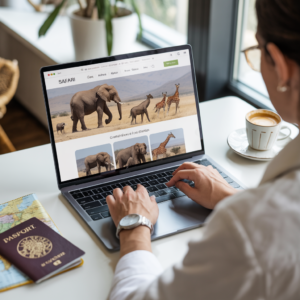
When we talk about online safari, the word “safari” itself covers several distinct travel formats that can all be booked digitally. Classic game‑drive safaris in Africa or national parks around the globe are among the most common, where visitors ride in open jeeps or small vehicles to spot lions, elephants, leopards, and birds in their natural habitats. Another popular variant is desert safari, especially in places like Dubai, where travelers can book dune‑bashing rides, camel walks, and sunset camps online. Apart from land‑based trips, some online safari services also promote river or water‑based adventures, where small boats cruise along wildlife‑rich waterways to view hippos, crocodiles, and birdlife. For eco‑conscious travelers, walking safaris or guided nature hikes are often listed on online safari portals, emphasizing low‑impact exploration and close‑to‑nature experiences. Finally, a newer category is “virtual safari,” where users can tour wildlife reserves via live or recorded streams from camera traps and drones, which is especially useful for educational institutions or people who cannot travel due to health or financial reasons.

Main idea behind online safari services
The central idea of every online safari platform is to remove barriers between travelers and adventure experiences. Instead of waiting for brochures, visiting physical offices, or relying on word‑of‑mouth recommendations, people can now browse, compare, and secure their trips in real time. This shift is driven by three key elements: information, choice, and trust. Information comes through detailed descriptions, user reviews, safety policies, and high‑quality photos or videos that show exactly what the experience includes. Choice emerges from filters that let users sort by price, duration, language, vehicle type, and even wildlife‑spotting chances. Trust, meanwhile, is built by verified operators, secure payments, and clear cancellation and refund rules. These features together make online safari services not only convenient but also more reliable for first‑time safari travelers. Moreover, many platforms now offer personalized itineraries, multi‑day packages, and hotel‑safari bundles, so customers can plan everything in one place without juggling multiple vendors. In short, the online safari concept is built to turn complex, fragmented travel planning into a smooth, one‑stop digital journey.
Benefits & Drawbacks of choosing online safari
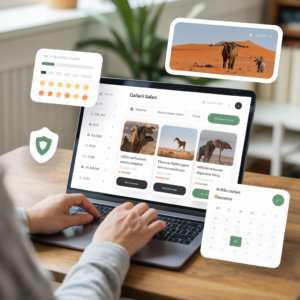
There are several clear advantages when you go for an online safari booking instead of relying only on offline methods. First, time and effort are saved because you can research, compare, and finalize multiple safari options from your home, office, or even smartphone while traveling. This is especially helpful for international visitors who do not have local contacts or local language skills. Second, many portals display transparent pricing, including taxes and add‑on costs, so hidden charges are reduced compared to some traditional agencies that quote vague packages. Third, user reviews and ratings help you pick a reputable operator, reducing the risk of fake or low‑quality services. Fourth, online safari services often run special promotions, early‑bird discounts, or package deals that are not available through offline channels. Fifth, digital platforms usually allow easy rescheduling or refunds under defined conditions, giving customers more control over their plans. Finally, eco‑friendly and educational safari tours are easier to discover online, helping travelers make more responsible choices that align with conservation goals instead of purely commercial operators. Altogether, online safari offers a smarter, more flexible, and better‑informed way to chase adventure.
Despite the many positives, there are also some drawbacks linked to online safari services that travelers should be aware of. One major issue is over‑reliance on digital content; attractive photos and videos can sometimes exaggerate what the actual experience will look like, especially in low‑season periods when wildlife is scarce or weather is poor. Another concern is technical glitches, such as website crashes, payment errors, or slow customer support, which can be stressful if your trip is just days away. A few online safari platforms may host uncertified or low‑quality operators who cut corners on safety, vehicle maintenance, or guide training, so it is important to cross‑check reviews and look for official certifications. Language and cultural barriers can also appear when users from non‑English‑speaking countries try to interpret complex terms or policies, especially regarding cancellation rules or visa requirements. In some cases, very low‑priced packages may come with hidden limits, such as rushed itineraries, extra fees at the gate, or limited game‑drive times. Lastly, if the platform is poorly managed, sensitive data such as passport numbers or payment details could be at risk if cybersecurity measures are weak. So, while online safari is convenient, due diligence is essential.

Making the most of digital safari planning
To get the best out of an online safari experience, it helps to adopt a few smart habits before confirming your booking. Start by defining your main priority: is it wildlife photography, relaxation in a luxury camp, family‑friendly comfort, or budget‑friendly travel? Once the goal is clear, you can use filters on the online safari portal to narrow down options that match your budget, travel dates, and preferred locations. Reading recent customer reviews and checking response times for support messages will give you a clearer picture of service quality. It is also wise to confirm what is included in the price—such as transfers, meals, park fees, and guide tips—so you do not face unexpected costs later. If you are unsure, many platforms offer free consultation or chat support where you can ask specific questions about routes, safety, and cancellation policies. Another useful tip is to watch short video clips or 360‑degree tours of the safari route or camp, which helps you visualize the environment and decide whether it suits your comfort level. By combining research, clear communication, and careful reading of terms, you can turn an online safari booking into a smooth, enjoyable, and memorable journey into the wild.
Conclusion and future of online safari
In the long run, online safari is likely to become the default way most people plan and book their wildlife and adventure trips. As technology improves, we can expect more advanced features such as AI‑driven itinerary suggestions, real‑time wildlife tracking on maps, and personalized pricing based on travel history and preferences. At the same time, the market will probably grow more regulated, with official certifications and verified badges for operators listed on online safari platforms, which will increase trust and safety. For travelers, this means easier access to a wider range of experiences, from budget‑friendly day trips to luxury multi‑day safaris, all booked digitally. For local businesses and tour companies, online safari represents a powerful growth channel that connects them directly with international audiences without heavy advertising costs. By using online safari smartly, carefully reading policies, and choosing low‑competition, niche services that match your interests, you can enjoy a richer, more personalized adventure while supporting sustainable and ethical tourism.