The Growing Appeal of Wilderness Dining Adventures
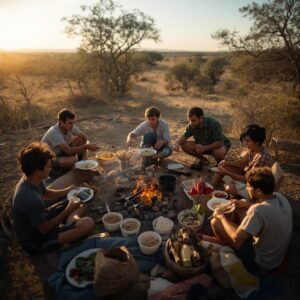
Safari Cooking has become a popular outdoor activity because travelers now prefer experiences that combine adventure with food preparation. Safari Cooking allows people to create meals in forests, campsites, open grasslands, and wildlife regions while enjoying peaceful surroundings. Bushfire meal ideas help travelers discover creative outdoor meal methods suitable for safari environments. Travelers enjoy preparing bread, vegetables, soups, and grilled dishes using portable equipment and local ingredients. Outdoor dining creates memorable moments because nature becomes part of every meal experience. Families and friends often work together during preparation, making safari meals both social and enjoyable. Adventure lovers appreciate the freedom to cook according to available ingredients and changing environments. This style also supports sustainability because travelers frequently use reusable tools and simple setups. Many bloggers and explorers now create content about wilderness meals because audiences enjoy practical travel ideas. Safari food experiences continue expanding due to increasing interest in eco-tourism and outdoor lifestyles. The combination of creativity, exploration, and natural scenery makes safari cuisine an attractive choice for people seeking unique travel memories. Travelers often describe these moments as more meaningful than ordinary dining experiences. Outdoor meal preparation therefore becomes an activity that combines learning, teamwork, relaxation, and culinary discovery within natural environments worldwide for modern adventure seekers and travel enthusiasts everywhere today.
Ou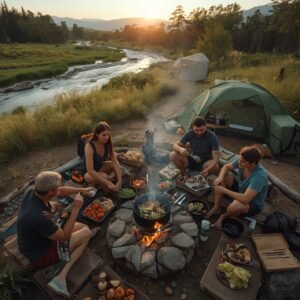 tdoor Meal Methods and Preparation Styles
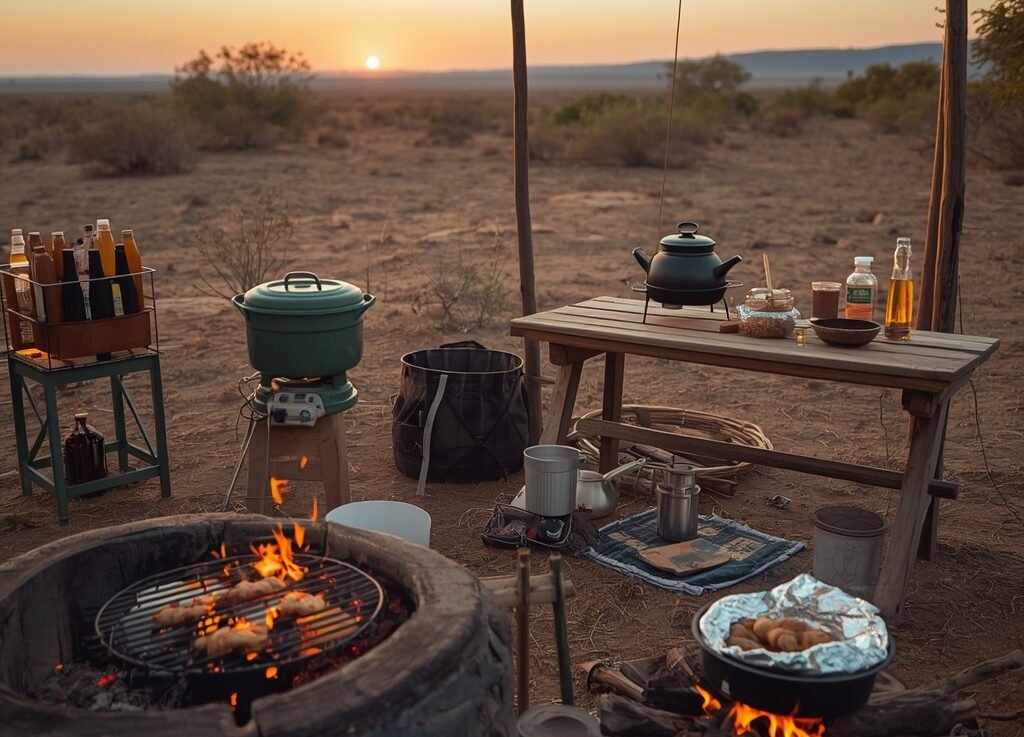
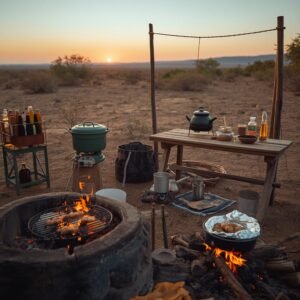
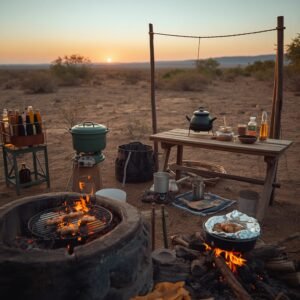
Safari Cooking includes different techniques that help travelers prepare food in remote environments. Safari Cooking may involve fire pits, portable stoves, hanging pots, and foil methods depending on the travel setup. Remote campsite dinner planning tips help travelers organize outdoor meals before beginning their journeys. Many explorers follow remote campsite dinner planning tips because proper preparation improves efficiency and reduces difficulties during trips. Fire pit cooking remains popular because it adds smoky flavor and creates a traditional atmosphere. Portable stoves are preferred for quick preparation and better heat control during trips. Hanging pots work well for soups and slow dishes because ingredients cook gradually. Travelers often use lightweight tools because heavy equipment reduces comfort during long journeys. Cooling bags, spice kits, reusable containers, and foldable tables are common parts of safari kitchens today. Camp grill methods support preparation of bread, vegetables, and meat dishes in outdoor settings. Modern equipment has made outdoor cooking easier for beginners and families. Travel creators frequently publish meal guides and setup tutorials because readers enjoy visual learning. Safari cuisine has moved beyond survival practices and become part of travel culture. Different techniques allow explorers to select methods that match their surroundings and preferences while preparing memorable dishes during wilderness adventures in different regions and destinations around the world today.
The Core Vision Behind Safari Food Culture
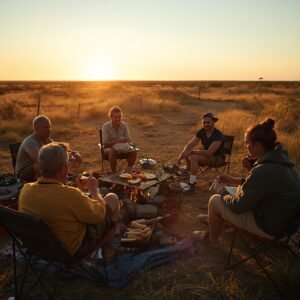
The philosophy behind Safari Cooking focuses on simplicity and connection with nature. Safari Cooking teaches travelers how to prepare meals using limited resources while respecting outdoor environments. Outdoor breakfast fire cooking guide resources help beginners understand meal preparation before safari journeys. Many experienced travelers also recommend outdoor breakfast fire cooking guide content because it improves planning and outdoor cooking techniques. Safari cuisine encourages the use of essential tools instead of large kitchen systems. Meals usually include fruits, vegetables, breads, soups, and grilled items prepared with regional ingredients. This style supports sustainability because people avoid unnecessary waste and use available resources wisely. Flexibility remains important because weather and travel schedules may change unexpectedly. Travelers learn to adapt quickly and continue meal preparation successfully. Food spice combinations improve flavor when ingredient choices remain simple during outdoor adventures. Outdoor cooking also creates emotional value because families gather around safe cooking areas and share experiences together. Campfire conversations and teamwork make meals more enjoyable. Safari food culture therefore combines exploration, learning, patience, creativity, and nature appreciation into one meaningful experience for travelers seeking authentic outdoor adventures and memorable culinary journeys worldwide today.
Rewards and Challenges of Wilderness Cuisine
Safari Cooking offers many benefits, although Safari Cooking also brings challenges that require preparation and awareness. Outdoor meals increase interaction with nature because travelers spend more time in forests, campsites, and open landscapes. Limited ingredients encourage creativity and inspire people to create unique dishes. Families and friends strengthen teamwork because everyone participates during preparation and serving activities. Physical movement increases because organizing tools and managing supplies require effort. Safari meals may also support healthier habits since fresh ingredients are often preferred over processed foods. Weather remains one of the biggest challenges because rain and wind can affect cooking activities. Storage becomes difficult during long trips where cooling systems remain limited. Water management is important because washing and preparation need careful planning. Fire safety must always remain a priority in remote areas. Steady flame control helps maintain cooking quality and reduce risks during meal preparation. Wildlife awareness is also essential because uncovered food may attract animals near campsites. Heavy equipment may reduce mobility during long adventures. Despite these obstacles, experienced explorers view them as learning opportunities. Safari cuisine therefore becomes more than eating because it develops planning skills, confidence, creativity, and stronger connections with nature through practical outdoor experiences for modern travelers everywhere today.
Future Growth and Final Thoughts on Safari Meals
Safari Cooking continues growing because travelers increasingly seek authentic experiences beyond ordinary routines. Safari Cooking transforms meal preparation into an adventure where food becomes part of exploration. Outdoor dining beside rivers, forests, and open landscapes creates lasting memories for travelers. Campfire food setup ideas help explorers organize cooking spaces efficiently during outdoor trips. Simple wilderness meal preparation ideas attract readers interested in practical safari techniques and creative recipes. Eco-tourism has increased interest in safari cuisine because sustainable travel continues expanding globally. Travelers now use reusable tools, lightweight equipment, and portable kitchens that improve efficiency. Food bloggers frequently share outdoor Safari Cooking recipes because audiences enjoy nature-based content. Iron skillet cooking methods remain popular for preparing bread, vegetables, and grilled dishes during safari journeys. Safari cuisine also supports cultural learning because travelers often purchase ingredients from local communities and discover regional flavors. Technology continues improving outdoor equipment, making meal preparation easier for beginners. The future of wilderness dining appears promising as adventure tourism grows. Safari food culture therefore represents a blend of creativity, sustainability, travel, and exploration that inspires people to enjoy memorable meals while building stronger relationships with natural environments and outdoor lifestyles around the world today.