A Gateway to Wildlife Knowledge and Discovery
The Safari Museum serves as a unique destination where education, history, and wildlife awareness come together to create an engaging visitor experience. Unlike traditional museums that focus solely on artifacts, the Safari Museum introduces visitors to the fascinating world of animals, ecosystems, and conservation efforts through interactive displays and carefully curated collections. These institutions play a significant role in helping people understand the importance of protecting biodiversity while preserving valuable information about wildlife for future generations.
One of the most appealing aspects of such attractions is their ability to combine entertainment with education. Families, students, researchers, and travelers often visit these museums to gain insights into animal habitats, migration patterns, and environmental challenges. A wildlife heritage center within the museum often highlights the historical and cultural relationship between humans and nature, making the learning experience more meaningful. Through educational exhibits and informative presentations, visitors can explore how wildlife has evolved over time and how conservation efforts have contributed to species protection.
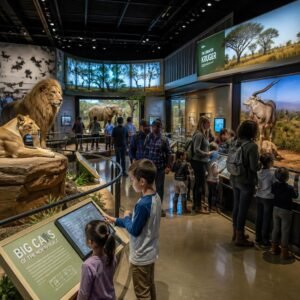
The growing popularity of wildlife-focused museums reflects increasing public interest in sustainability and environmental responsibility. Modern museums use advanced technologies such as digital displays, multimedia presentations, and interactive learning stations to engage visitors more effectively. These features encourage participation and help transform complex scientific information into understandable and memorable experiences. Visitors often leave with a greater appreciation for the natural world and a deeper understanding of conservation issues.
Educational programs offered by wildlife museums are particularly valuable for younger audiences. School groups frequently participate in guided activities that introduce important ecological concepts in an engaging manner. By creating opportunities for hands-on learning, museums inspire curiosity and encourage lifelong interest in environmental protection. As awareness of global conservation challenges continues to grow, wildlife museums remain important institutions that support education, research, and public engagement while promoting a stronger connection between people and nature.

Diverse Experiences That Enhance Visitor Engagement
A visit to a Safari Museum offers much more than viewing static exhibits. The Safari Museum provides a variety of experiences designed to appeal to different age groups and interests. These experiences may include interactive exhibits, educational workshops, multimedia presentations, and guided tours that help visitors explore the world of wildlife in a meaningful way. Such diversity ensures that every visitor can discover something relevant and inspiring during their journey through the museum.
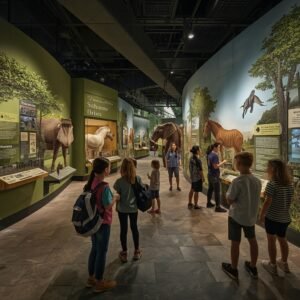
One of the most popular attractions is the interactive safari learning experience for families, which allows visitors to participate in engaging activities while learning about animal behavior, habitats, and conservation efforts. This educational approach transforms learning into an enjoyable experience and helps visitors retain information more effectively. Children especially benefit from these programs because they encourage active participation rather than passive observation.
The interactive safari learning experience for families also helps strengthen community awareness regarding environmental protection. Through games, demonstrations, and hands-on activities, participants gain practical knowledge about wildlife conservation and sustainable practices. These experiences often encourage families to discuss environmental issues together and adopt more responsible behaviors in their daily lives.
Another important feature found in many wildlife museums is the inclusion of preserved specimens, historical photographs, and ecological displays that illustrate the diversity of life on Earth. Carefully designed exhibits help visitors understand the connections between different species and ecosystems while highlighting the challenges faced by wildlife populations around the world. Museums also frequently organize temporary exhibitions that focus on specific themes, ensuring that visitors have new experiences each time they return.
The combination of education, entertainment, and interactive learning makes wildlife museums valuable destinations for both recreation and personal growth. By presenting information in engaging and accessible ways, these institutions help create memorable experiences that encourage visitors to become more informed and environmentally conscious members of society.
The educational mission of a Safari Museum extends beyond displaying artifacts and exhibits. A well-developed Safari Museum serves as a platform for sharing scientific knowledge, promoting environmental awareness, and encouraging public participation in conservation efforts. Through carefully curated collections and educational programs, visitors gain a deeper understanding of wildlife and the challenges facing natural ecosystems today.
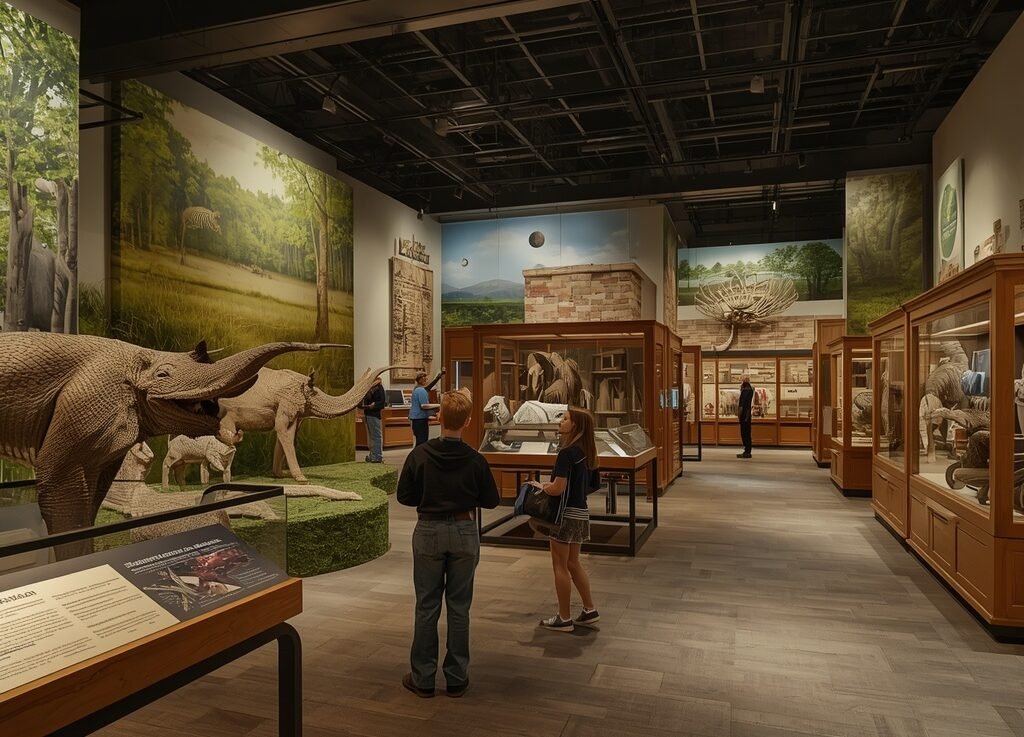
Many Safari Museum feature a rare animal history display zone that showcases the development, adaptation, and ecological significance of various species. These displays provide valuable information about animal evolution, habitat changes, and conservation initiatives that have helped protect vulnerable populations. Visitors can explore detailed descriptions, visual presentations, and educational resources that enhance their understanding of wildlife history.
A well-designed rare animal history display zone often highlights endangered species and explains the factors contributing to their decline. By presenting accurate information and compelling stories, museums encourage visitors to recognize the importance of conservation and support efforts aimed at preserving biodiversity. These educational experiences can inspire individuals to become more involved in environmental initiatives and adopt sustainable practices.
The role of a Safari museum in modern society goes beyond education. Museums contribute to scientific research by preserving important specimens, maintaining historical records, and supporting studies related to wildlife and ecology. Researchers, educators, and conservation organizations often collaborate with museums to ensure that information remains accurate and relevant.
Another benefit of the rare animal history display zone is its ability to make complex scientific concepts more accessible to the general public. Through engaging storytelling and interactive presentations, visitors can learn about ecological relationships, environmental challenges, and conservation strategies in ways that are both informative and enjoyable. The educational impact of these experiences often extends beyond the museum visit itself, influencing attitudes and behaviors long after visitors return home.
Benefits and Challenges of Wildlife Museums
The Safari Museum provides numerous benefits that contribute to education, tourism, and environmental awareness. By combining scientific information with engaging presentations, the Safari Museum helps visitors develop a stronger appreciation for wildlife and the importance of conservation. These institutions play a vital role in connecting people with nature while promoting responsible environmental practices.
One major advantage of wildlife museums is their educational value. Visitors gain access to reliable information about ecosystems, animal behavior, and conservation efforts. Educational programs often encourage critical thinking and inspire curiosity about the natural world. Students, in particular, benefit from opportunities to learn through observation and participation rather than relying solely on classroom instruction.
Another significant benefit is cultural preservation. Many museums document historical relationships between communities and wildlife, ensuring that valuable knowledge and traditions are preserved for future generations. This cultural perspective enriches the visitor experience and provides important context for understanding conservation issues.
Despite their many advantages, wildlife Safari museum also face several challenges. Maintaining exhibits, preserving collections, and updating educational materials require substantial financial resources. Institutions must continuously invest in technology, infrastructure, and professional expertise to remain effective and relevant. Additionally, balancing educational content with entertainment can be difficult, especially when trying to engage diverse audiences with varying interests.
A guided tour often helps visitors navigate these complex topics more effectively. By providing expert interpretation and context, a Safari Museum tour enhances understanding and ensures that visitors gain the maximum educational benefit from their experience. Museums must also address ethical considerations related to wildlife representation, ensuring that information is presented responsibly and supports conservation goals.
Although challenges exist, the positive impact of wildlife museums remains significant. Their contributions to education, research, and public awareness continue to support conservation efforts and encourage greater appreciation for the natural world.
Lasting Influence on Future Generations
The long-term impact of a Safari Museum extends far beyond a single visit. Through education, research, and community engagement, the Safari Museum helps shape public attitudes toward wildlife conservation and environmental responsibility. These institutions create opportunities for individuals to learn about biodiversity while fostering a deeper connection to nature and its preservation.
One of the most important contributions of wildlife Safari Museum is their ability to inspire future generations. Educational programs often encourage students to pursue interests in environmental science, ecology, and conservation. By exposing young visitors to real-world examples of wildlife protection efforts, museums help cultivate a sense of responsibility toward the environment.
The significance of a heritage institution lies in its capacity to preserve knowledge and share meaningful stories with diverse audiences. A wildlife heritage center plays an essential role in documenting the relationship between humans and nature while highlighting the importance of sustainable practices. These educational resources help visitors understand how their actions can influence the future of wildlife and natural ecosystems.
The continued success of museums also depends on their ability to adapt to changing educational needs and technological advancements. Interactive exhibits, digital archives, and innovative learning tools ensure that museums remain relevant and engaging for modern audiences. Such developments expand access to information and create new opportunities for learning.
Furthermore, the interactive safari learning experience for families encourages shared learning and meaningful discussions about environmental issues. Families often leave with greater awareness of conservation challenges and a stronger commitment to protecting wildlife. Through these experiences, museums contribute to the development of environmentally conscious communities that value sustainability and biodiversity.
In conclusion, wildlife Safari museum serve as powerful educational and cultural institutions that support conservation, research, and public engagement. Their ability to combine knowledge, inspiration, and meaningful experiences ensures their continued importance in promoting environmental awareness and preserving natural heritage for generations to come.