Ethical Wildlife Experiences Through Plant-Based Safari Travel
Natural Travel Shift in Wildlife Tourism
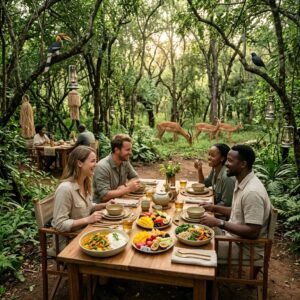
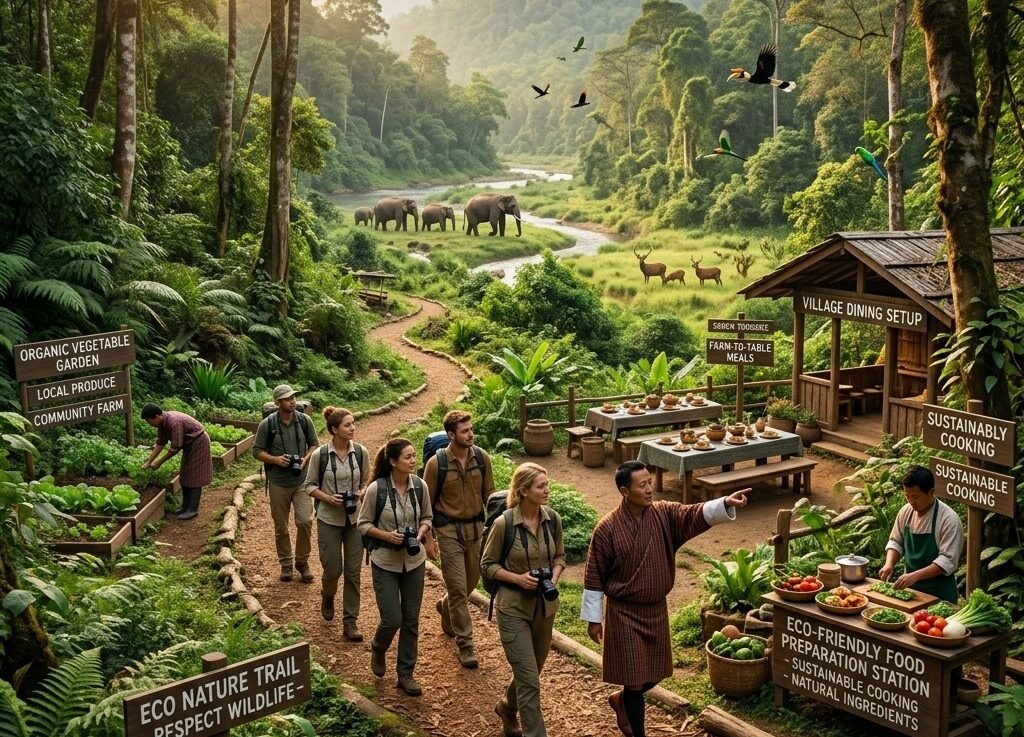
Modern tourism is rapidly evolving as travelers now prefer experiences that combine nature, health, and sustainability in a balanced way. A Vegetarian Safari has become a unique concept for people who want to explore wildlife while following plant-based eating habits during their journey. A Vegetarian Safari is not only about food choices but also about experiencing nature responsibly through eco-friendly travel practices. Travelers today want meaningful experiences that connect them with forests, wildlife reserves, and local cultures in a more conscious way. jungle dining routes, which reflects travel paths that combine wildlife exploration with natural food experiences in forest environments. These journeys often include eco lodges, village food stops, and organic meal arrangements prepared with locally sourced ingredients. Visitors enjoy fresh meals such as fruits, vegetables, grains, and herbal drinks while observing wildlife in their natural habitat. This combination of adventure and healthy living makes travel more fulfilling and memorable. A Vegetarian Safari also supports local communities by encouraging the use of regional produce and traditional cooking methods. A Vegetarian Safari creates harmony between tourism and sustainability, making it a growing choice among modern travelers.
Diverse Forms of Plant-Based Wildlife Journeys
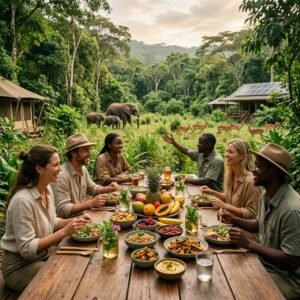
Wildlife tourism now offers multiple travel styles designed for different preferences, budgets, and lifestyles, especially for those following plant-based diets. A Vegetarian Safari can include luxury eco camps, guided jungle walks, photography tours, and cultural village experiences. A Vegetarian Safari allows travelers to choose comfort levels while maintaining healthy eating habits throughout their journey. Eco forest meal travel packages, which highlights organized safari experiences where food and nature exploration are combined into one structured plan. These eco forest meal travel packages often include farm visits, cooking demonstrations, and organic meal preparation sessions with local chefs. Another key one-tail keyword used here is veganism, which represents travelers who completely avoid animal-based products during their journey. A veganism lifestyle is becoming increasingly popular among eco-conscious tourists who prefer ethical travel experiences. Safari operators now design personalized itineraries that include wellness activities, yoga sessions, and organic food menus. These travel experiences ensure that guests enjoy wildlife encounters without compromising dietary preferences. A Vegetarian Safari continues to expand globally as more destinations adopt plant-based hospitality services. A Vegetarian Safari now represents a complete lifestyle travel option rather than just a food preference.
Culinary Experience Within Natural Ecosystems
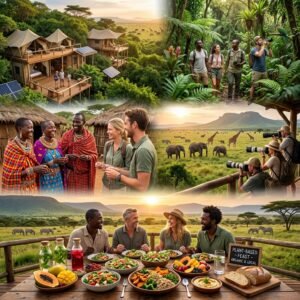
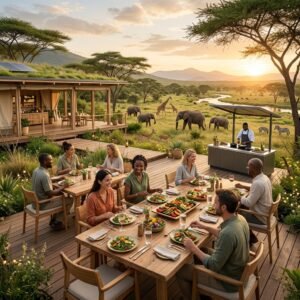
Food plays a central role in shaping modern wildlife tourism experiences, especially for travelers who choose plant-based lifestyles. A Vegetarian Safari now includes a wide variety of meals that go beyond basic vegetarian options. A Vegetarian Safari provides fresh fruit platters, vegetable curries, grain-based dishes, herbal teas, and locally inspired recipes prepared with seasonal ingredients. Organic wilderness dining setups, which refers to eco-friendly food arrangements in natural environments where meals are served in open-air forest locations. These organic wilderness dining setups allow travelers to enjoy meals surrounded by wildlife sounds and scenic landscapes. Another important one-tail keyword in this paragraph is greenspace, which represents fresh green vegetables and natural food sources used in safari meals. Many travelers prefer greenspace items because they support energy and health during long wildlife excursions. Cooking experiences also play a major role in modern safari tourism as visitors learn traditional recipes from local communities. A Vegetarian Safari promotes farm-to-table dining experiences that support local agriculture and reduce environmental impact. A Vegetarian Safari also encourages sustainable food consumption by using seasonal ingredients and reducing food waste. This combination of food and travel creates a deeper connection between humans and nature, making every journey more meaningful.
Ethical Purpose Behind Sustainable Safari Travel
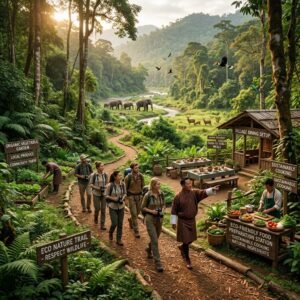
The concept of responsible wildlife tourism is based on balance, awareness, and environmental respect. A Vegetarian Safari promotes ethical travel practices by encouraging plant-based eating while exploring natural habitats. A Vegetarian Safari helps travelers understand the importance of sustainability in tourism and its impact on wildlife conservation. The Eco nature food trails, which represents guided travel routes where visitors experience nature and local food culture together. These eco nature food trails often include forest walks, organic farm visits, and traditional village dining experiences. The multidimensional keyword here is sustainable wildlife meal planning systems, which refers to organized food arrangements that focus on eco-friendly ingredients and local sourcing. These sustainable wildlife meal planning systems support both environmental protection and community development. The one-tail keyword used in this paragraph is ethicality, which represents responsible behavior toward nature and wildlife. Many travelers now value ethicality as a core principle when choosing safari destinations. A Vegetarian Safari encourages visitors to respect wildlife ecosystems while enjoying healthy food choices. A Vegetarian Safari also supports environmental education by teaching travelers about conservation and sustainable living. This combination of ethics and tourism creates long-term benefits for both nature and society.
Health and Environmental Benefits of Plant-Based Travel
Plant-based safari tourism offers significant benefits for both travelers and the environment, making it a growing trend in global tourism markets. A Vegetarian Safari promotes healthier eating habits by providing meals rich in vegetables, fruits, grains, and natural ingredients. A Vegetarian Safari helps travelers maintain energy levels during long wildlife activities while supporting overall wellness. The Forest nutrition paths, which refers to food experiences connected with natural forest environments. These forest nutrition paths include fresh meals prepared using locally sourced ingredients from nearby communities. Eco nourishment programs, which describe structured meal systems designed for travelers in safari environments. These wildlife eco nourishment programs ensure balanced diets while reducing environmental impact. The one-tail keyword used is freshness, which highlights the importance of natural and unprocessed food in safari experiences. Many travelers prefer freshness because it improves health and enhances travel comfort. A Vegetarian Safari also supports environmental sustainability by reducing reliance on processed food and encouraging local farming practices. A Vegetarian Safari helps preserve natural resources while offering meaningful travel experiences. This combination of health and environmental awareness makes plant-based safari tourism highly valuable in modern travel culture.
Challenges and Practical Limitations in Safari Tourism
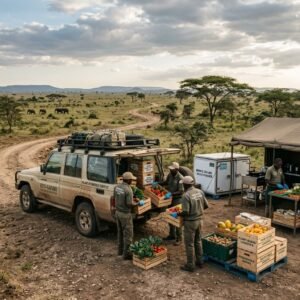
Although plant-based wildlife tourism is growing rapidly, certain challenges still exist in implementation and management. A Vegetarian Safari sometimes faces difficulties in remote regions where food supply chains are limited or inconsistent. A Vegetarian Safari requires careful planning to ensure that travelers receive fresh and nutritious meals throughout their journey. The wildlife food logistics routes, which refers to transportation systems used to deliver food to remote safari locations. These wildlife food logistics routes are often affected by weather, distance, and seasonal availability of ingredients. The remote safari nutrition management systems, which describe organized methods of handling food supply in isolated travel regions. These remote safari nutrition management systems help maintain food quality and consistency during long trips. The one-tail keyword used here is balance, which represents the need to maintain both adventure and proper nutrition in safari tourism. Many operators work hard to achieve balance between cost, quality, and sustainability. A Vegetarian Safari also faces challenges such as awareness gaps, higher operational costs, and limited infrastructure in rural areas. A Vegetarian Safari continues to evolve as providers develop better solutions for these challenges through innovation and local partnerships.
The future of eco tourism is strongly connected with plant-based travel experiences and responsible tourism development. A Vegetarian Safari is expected to grow further as travelers increasingly prioritize wellness, sustainability, and ethical living. A Vegetarian Safari is becoming a preferred choice for modern tourists who want meaningful and environmentally friendly travel experiences. Green adventure food journeys, which represents travel experiences combining wildlife exploration with sustainable food systems. These green adventure food journeys are becoming popular among eco-conscious tourists worldwide. Sustainable eco safari dining innovations, which describes new approaches in safari food services focused on sustainability and creativity. These sustainable eco safari dining innovations include organic menus, local sourcing, and eco-friendly cooking methods. The one-tail keyword used here is naturalness, which reflects the growing demand for pure and unprocessed food during travel experiences. Many travelers prefer naturalness because it aligns with healthy living and environmental awareness. A Vegetarian Safari continues to redefine wildlife tourism by combining nature exploration, cultural learning, and plant-based dining. A Vegetarian Safari is expected to become a major segment in future tourism markets due to increasing global demand for sustainable travel options.