Eco-Friendly Wildlife Tourism and Modern Safari Experience Overview
Nature Exploration and Outdoor Animal Observation Systems
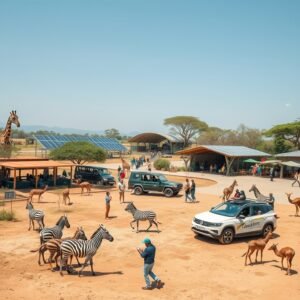
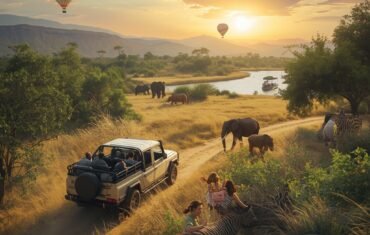
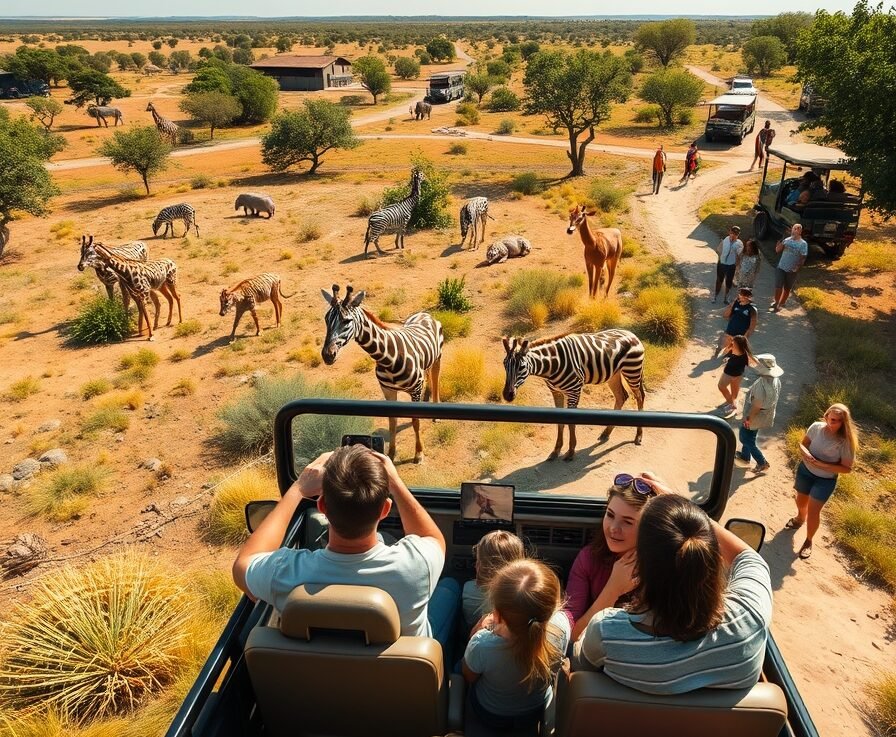
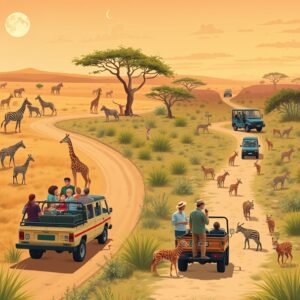
A safari park is a modern wildlife destination designed to give visitors a natural and immersive animal viewing experience in open environments. A safari park allows people to observe wildlife in semi-natural habitats instead of confined cages, making the experience more realistic and educational. This type of tourism has gained massive popularity because people now prefer nature-based travel and sustainable exploration. These parks are designed in a way that animals can move freely while visitors explore safely through vehicles or walking routes.
An important keyword in this context is eco wildlife travel guide, which helps describe tourism focused on nature and conservation together. Safari parks are divided into different categories such as drive-through zones, walking trails, and conservation breeding areas. Each section serves a unique purpose, whether it is education, adventure, or wildlife protection. These structured zones help manage visitor flow and improve overall experience quality.
Safari parks also play an important role in protecting endangered animals and raising awareness about environmental issues. They often include modern facilities like guided tours, shaded rest areas, and digital maps for better navigation. As eco-tourism continues to grow, safari parks are becoming important learning centers where people connect with nature in a responsible way, while also promoting conservation awareness, environmental education, and sustainable travel practices among visitors of all ages.
Wildlife Adventure Formats and Exploration Routes in Safari Zones
Guided Nature Trails and Animal Observation Paths
Seasonal and Time-Based Safari Experiences
Safari parks offer different types of experiences depending on visitor interest and time preference. A highly relevant keyword is guided sunrise wildlife exploration tour, which reflects early morning natural viewing experiences. Another important keyword is eco friendly animal observation journey, which highlights sustainable tourism combined with wildlife exploration. These terms show how safari parks are designed for different types of nature lovers.
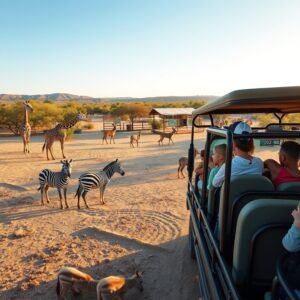
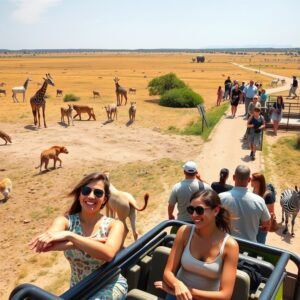
Additional keywords like night wildlife safari route and family nature safari path represent specific visitor-focused experiences that improve accessibility and enjoyment. Safari parks usually include drive-through routes where visitors stay inside vehicles to observe animals safely. Walking trails are also available where trained guides explain animal behavior and natural habitats. Some parks introduce seasonal safari experiences based on weather conditions and animal activity patterns.
Timed safari entries such as morning or evening visits help reduce crowd pressure and improve animal visibility. These structured systems ensure smooth visitor movement and better wildlife interaction. Safari parks are designed to balance adventure and safety, making them suitable for families, students, and international tourists alike.
Educational Value and Operational Challenges in Wildlife Parks
Conservation Learning and Environmental Awareness
Pricing Pressure and Visitor Management Issues
Safari parks offer strong educational value because they help visitors understand wildlife behavior and environmental conservation. Keywords such as sustainable animal learning program, eco tourism safety system, and wildlife awareness education zone represent how these parks contribute to learning and conservation efforts. They help people connect with nature and understand the importance of protecting endangered species.
Safari parks also provide important conservation benefits by supporting breeding programs and habitat preservation. Educational sessions, guided tours, and interactive displays make learning more engaging for all age groups. However, there are also some challenges that affect visitor experience. High entry fees and additional activity costs can make access difficult for some families.
Crowd management is another issue, especially during weekends and holiday seasons. Overcrowding can reduce comfort and limit wildlife visibility. To solve these issues, many safari parks now use online ticket systems and scheduled entry times. These improvements help distribute visitors evenly and reduce waiting times. Despite challenges, safari parks continue to grow as important centers for education and responsible tourism.
Structural Design and Functional Planning of Safari Parks
Habitat Engineering and Animal Space Management
Safety Systems and Visitor Behavior Control
The main structure of safari parks is based on creating a safe and natural environment for both animals and visitors. The concept of habitat plays a major role in designing animal enclosures that closely match natural ecosystems. Another important keyword is guidelines, which refers to safety rules and visitor discipline systems.
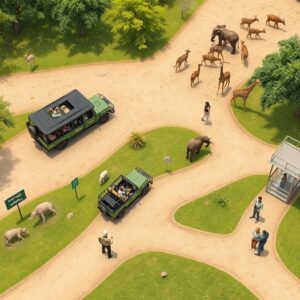
A safari park is designed with large open spaces, controlled zones, and well-planned visitor pathways. These layouts help reduce stress on animals while allowing visitors to observe them comfortably. Animals are placed in environments that match their natural living conditions, which improves their health and behavior authenticity.
Strict safety rules such as maintaining distance, avoiding loud noise, and not feeding animals are enforced throughout the park. Trained staff and monitoring systems ensure both visitor and animal safety. Educational boards are placed in different zones to guide visitors and increase awareness about wildlife protection.
This structured system helps safari parks operate smoothly while maintaining ecological balance. It also ensures that visitors enjoy a safe and informative experience while respecting wildlife.
Sustainable Growth and Future Development of Wildlife Tourism Parks
Eco Innovation and Environmental Responsibility Systems
Community Development and Long-Term Tourism Benefits
Safari parks continue to evolve as important destinations for sustainable tourism and environmental education. The keyword benefits represents the overall value these parks provide in terms of conservation and visitor experience. Another keyword green tourism model plan reflects sustainable development strategies used in modern safari parks. A third keyword low season safari park visit schedule focuses on travel planning and crowd management efficiency.
Modern safari parks are increasingly adopting eco-friendly technologies such as solar energy systems, electric transport vehicles, and digital visitor guides. These innovations reduce environmental impact while improving visitor convenience. Safari parks also support local communities by creating jobs and boosting tourism-related businesses.
Educational programs, wildlife workshops, and research collaborations help strengthen their role in society. These initiatives encourage environmental responsibility and increase public awareness about wildlife protection. As sustainability becomes more important globally, safari parks are expected to play a bigger role in eco-tourism development.
Their future growth depends on innovation, conservation efforts, and responsible visitor management. By balancing entertainment with education and environmental care, safari parks will continue to remain valuable attractions for future generations.